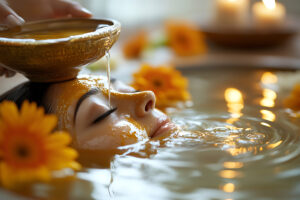
The Ayurvedic Cleanse in Panchakarma is a traditional Ayurveda cleansing method. It uses special therapies to remove toxins from the body. Many people call it the Ayurvedic detox process. Panchakarma therapy benefits include better health, more energy, and a calm mind. This ancient practice is still popular today. In fact, many Panchakarma centers in India and worldwide offer these cleanses. If you are curious about traditional Ayurveda cleansing, this guide will help you understand the process, its benefits, and how to do it safely.
What is Panchakarma?
Panchakarma is a core part of Ayurveda, the ancient Indian system of medicine. The word “Panchakarma” means “five actions” in Sanskrit. These five actions are special treatments that help clean the body. For example, they remove waste and balance the body’s natural energies. Many people use Panchakarma to improve health and prevent illness. According to Ayurveda, this process helps restore balance and supports healing. Panchakarma centers in India and other countries offer these therapies under expert care.
The Concept of Ayurvedic Cleanse
Ayurvedic cleansing is about removing toxins and waste from the body. In Ayurveda, these toxins are called “ama.” Over time, ama can build up from poor diet, stress, or pollution. As a result, you may feel tired or unwell. The Ayurvedic Cleanse in Panchakarma uses natural methods to clear these toxins. This process aims to restore balance and improve well-being. Unlike quick detox diets, Ayurvedic cleansing is gentle and personalized. It often includes diet changes, herbal medicines, and special therapies.
Key Steps in the Panchakarma Cleanse
The Panchakarma cleanse follows a step-by-step process. Each step prepares the body for deep cleansing. Here are the main steps:
Benefits of the Ayurvedic Cleanse in Panchakarma
Many people report feeling lighter and healthier after a Panchakarma cleanse. Some key benefits include:
According to research published in peer-reviewed journals, Panchakarma may also help lower inflammation and support heart health. However, more studies are needed to confirm all its benefits.
Who Should Consider Panchakarma Cleanse?
Panchakarma is suitable for many people, but not everyone. You may consider an Ayurvedic Cleanse in Panchakarma if you:
Still, it is important to consult a qualified Ayurvedic practitioner. They can decide if Panchakarma is right for you. Some people, such as pregnant women or those with certain health conditions, should avoid this cleanse.
Safety, Precautions, and Contraindications
While Panchakarma is natural, it must be done safely. Here are some important points to remember:
The World Health Organization (WHO) recommends using traditional therapies only with trained professionals. This helps prevent side effects and ensures safety.
Tips for a Successful Ayurvedic Cleanse
To get the most from your Panchakarma cleanse, follow these tips:
With the right care, your Ayurvedic detox process can be safe and effective.
Prevention and Lifestyle Guidance After Panchakarma
After your Panchakarma cleanse, it is important to maintain your health. Here are some simple lifestyle tips:
These habits can help prevent toxin buildup and keep you feeling your best. Many Panchakarma centers in India and abroad offer follow-up support for long-term wellness.
In summary, the Ayurvedic Cleanse in Panchakarma is a time-tested method to support your body and mind. For safe and personalized guidance, consult Supriya Anil at Pranaalaya Goodearth Wellness before starting any cleanse.