
Introduction to Ayurveda and Autism
Many families seek natural ways to support children with autism. Ayurveda for Autism is gaining attention as a gentle, holistic approach. Ayurveda is an ancient Indian system of medicine. It uses herbs, diet, and lifestyle changes to promote balance in the body and mind. Autism spectrum disorder (ASD) is a developmental condition. It affects how a person communicates and interacts with others. While modern medicine offers therapies for autism, some people look to Ayurveda for extra support. However, it is important to understand what Ayurveda can and cannot do for autism.
How Ayurveda Views Autism
Ayurveda sees health as a balance of three energies, called doshas: Vata, Pitta, and Kapha. According to Ayurvedic texts, autism may be linked to an imbalance in these doshas, especially Vata. This imbalance can affect the mind and nervous system. As a result, Ayurveda focuses on restoring balance to improve well-being. However, Ayurveda does not use the term “autism” directly. Instead, it describes symptoms that are similar to those seen in autism spectrum disorder.
Common Ayurvedic Approaches for Autism
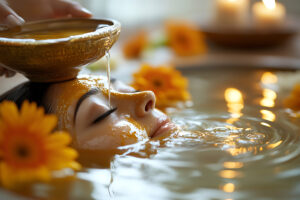
Ayurvedic treatment for autism often includes a mix of therapies. These aim to calm the mind, support digestion, and improve overall health. Some common natural remedies for autism in Ayurveda include:
It is important to note that these approaches should be tailored to each person. Always consult a qualified Ayurvedic specialist before starting any new therapy.
Potential Benefits and Limitations
Ayurveda and autism spectrum disorder care may offer some benefits. For example, natural remedies for autism may help with relaxation, sleep, and digestion. Some families report improved mood and focus in their children. However, Ayurveda is not a cure for autism. It should not replace standard medical care or therapies. Instead, it can be used as a complementary approach. Results can vary from person to person. Therefore, it is important to have realistic expectations.
Scientific Evidence and Research
Research on Ayurvedic treatment for autism is still limited. Some small studies suggest that certain herbs and therapies may help with symptoms like anxiety or hyperactivity. However, most studies are small and not well controlled. The World Health Organization (WHO) and Centers for Disease Control and Prevention (CDC) recommend evidence-based therapies for autism. These include behavioral and speech therapies. While Ayurveda may offer extra support, more research is needed to prove its effectiveness for autism spectrum disorder.
Lifestyle and Dietary Guidance
Ayurveda places great importance on daily routines and diet. For children with autism, some Ayurvedic tips include:
These simple changes may help improve comfort and well-being. However, always check with your doctor before making major dietary changes.
Safety, Precautions, and When to Seek Medical Advice
While Ayurveda for Autism uses natural remedies, safety is very important. Some herbs can interact with medicines or cause side effects. Always use Ayurvedic treatments under the guidance of a trained specialist. Never stop or change prescribed autism therapies without consulting your doctor. If you notice any new or worsening symptoms, seek medical help right away. Remember, early intervention and evidence-based care are key for autism spectrum disorder.
In summary, Ayurveda for Autism may offer gentle support as part of a wider care plan. However, it should not replace proven medical therapies.
Consult a qualified healthcare provider or Ayurvedic specialist at Pranaalaya Goodearth Wellness for personalized advice on autism care.